When to go tidepooling in the Pacific Northwest
The northwest coast has the summer morning minus tides, the biggest sea stars, and a season that runs opposite to California’s. Oregon, Washington and British Columbia together.
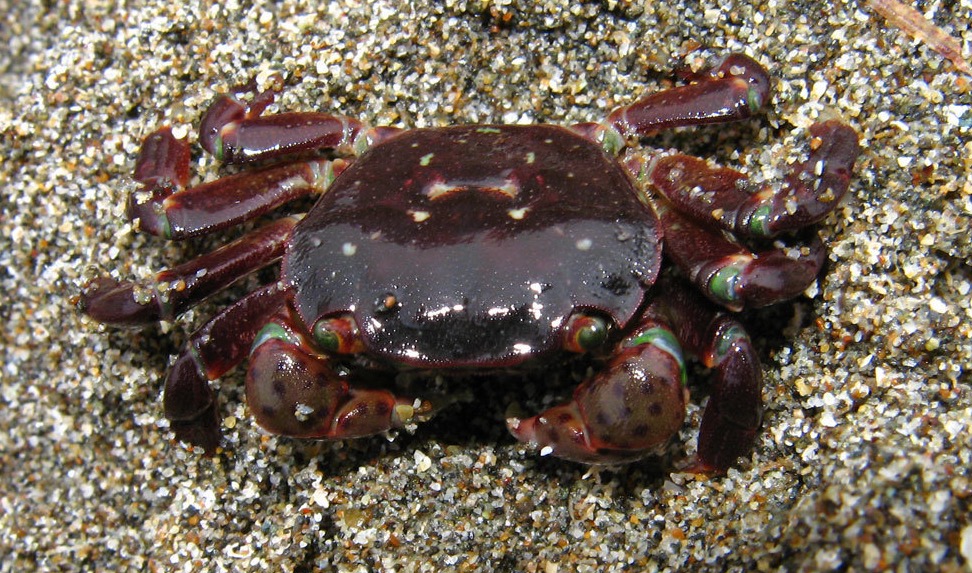
Summer mornings, and only summer mornings
This is the clearest seasonal rule on any coast covered by this site. In the Pacific Northwest the year’s extreme low tides fall in the morning around midsummer and in the evening around midwinter, and a winter evening at 48 degrees north is dark. The December lows are as low as the June ones and you cannot see anything at all.
So the northwest tidepooling season is roughly May to July, in the morning, and it is genuinely narrow. On the best few days of it the water pulls back further than most visitors will see anywhere else in their lives.
One coast, three jurisdictions
The shore from the Oregon Dunes to the top of Vancouver Island is one ecological system and three sets of rules, and this directory covers shores under all of them.
Oregon’s entire coastline is public and much of it is designated for protection. Washington has marine preserves and a state license regime for shellfish that catches people out. British Columbia’s tides are predicted by Fisheries and Oceans Canada, so the numbers there are positive where their neighbors’ are negative even on the same morning. Read the local table, not the one across the border.
What is different about it
Size and density. Cold, nutrient-rich, protected water produces a shore where the ochre stars are the width of a dinner plate, the anemones are the size of a fist, and the mussel beds are thirty centimeters deep. Sunflower stars, the largest sea stars in the world with up to twenty-four arms, belonged to this coast before wasting disease removed most of them, and their loss is visible in the urchin numbers.
Gooseneck barnacles crowd the exposed headlands. Giant green anemones hold whole channels. Nudibranchs are abundant and, in the sheltered inlets, extraordinary.
The specific hazards here
Sneaker waves are a Pacific Northwest specialty and the National Weather Service issues advisories for them by name. The other one is logs: this coast carries enormous drift timber, and a log that appears to be aground can be lifted and rolled by a single wave. Never stand on the seaward side of one, and never let a child sit on one.
Water temperature runs around 50°F (10–12°C) through the season, which is cold enough for immersion to be a real problem rather than a shock.
Where
Shores spread from the top of the range to the bottom of it, which on this coast means across two countries: