How to read a shore
Which low tides are worth going out for, what you are looking at when you get there, and how to walk on a shore without wrecking it.
How to read a tide chart
What the numbers on a tide table actually mean, which lows are worth going out for, and why a good low in Britain is a positive number and a good low in California is a negative one.
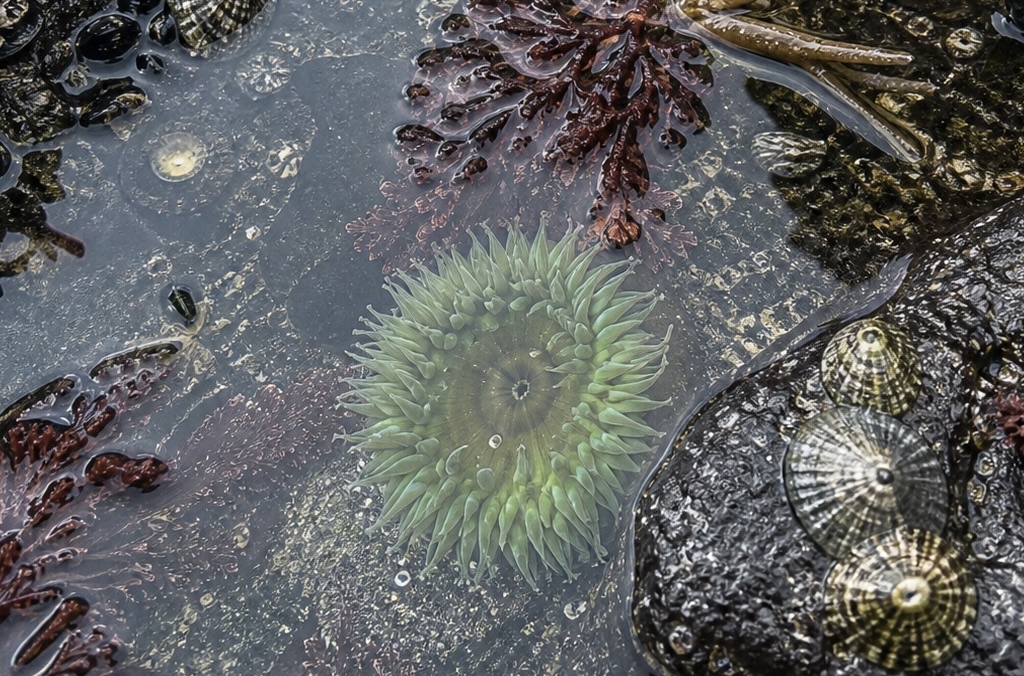
Tide pool safety
Sneaker waves, a rising tide, being cut off, and rock far more slippery than it looks: the four ways a shore actually catches people out, and what to do about each.
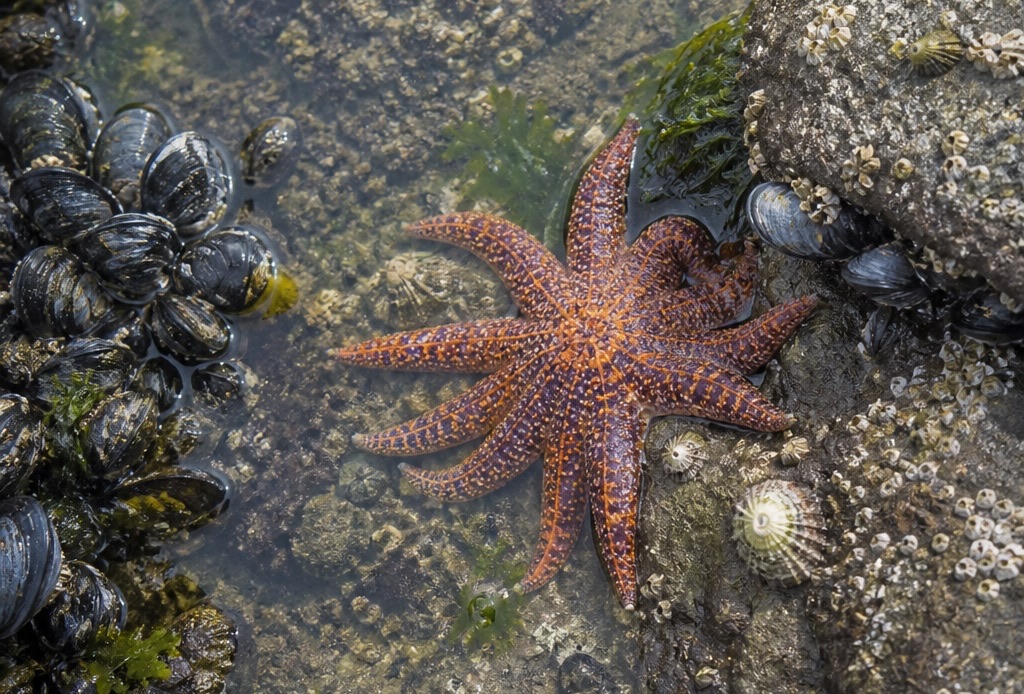
The tidepooling code
Look and photograph, take nothing. Plus the four specific habits that separate a visit a shore recovers from in an hour from one it does not.
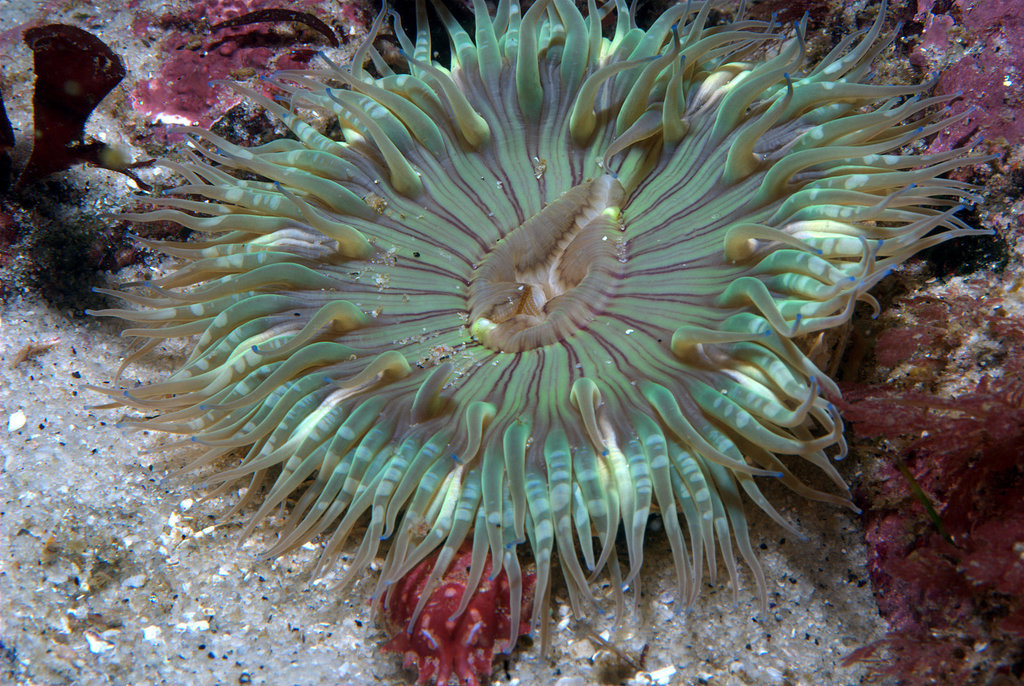
What lives in a tide pool
The groups you will meet first, from crabs to anemones to mussels.
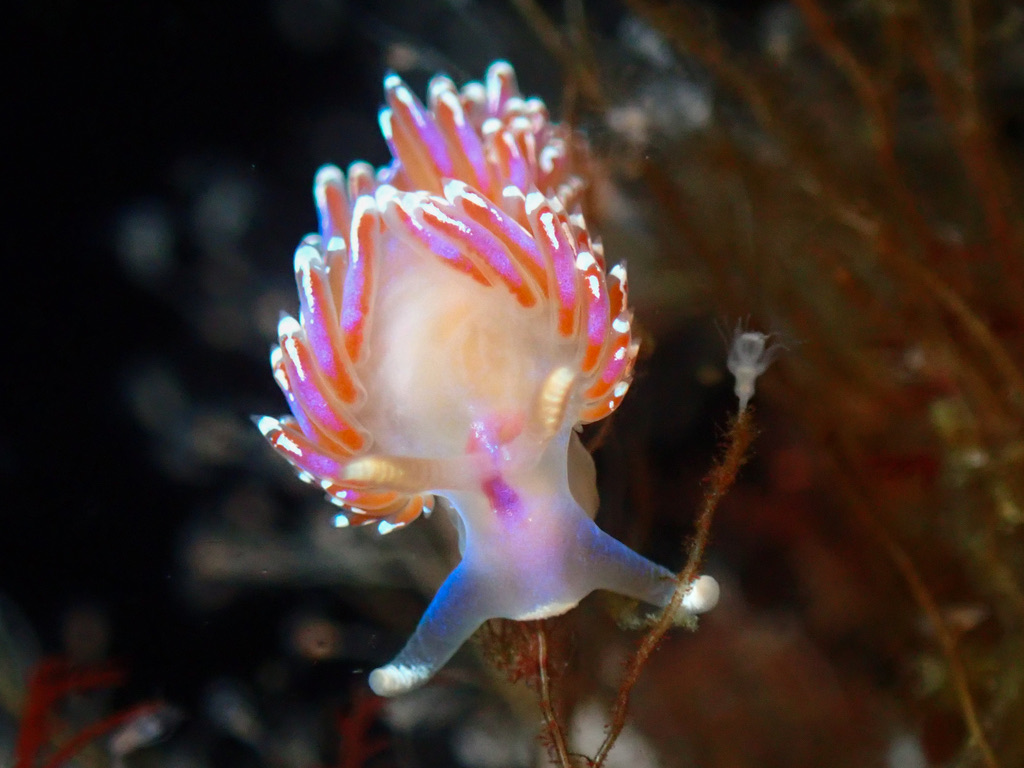
Nudibranchs, and where to find them
The animal everybody is looking for. What they are, why they are so hard to see, and where you can find them.
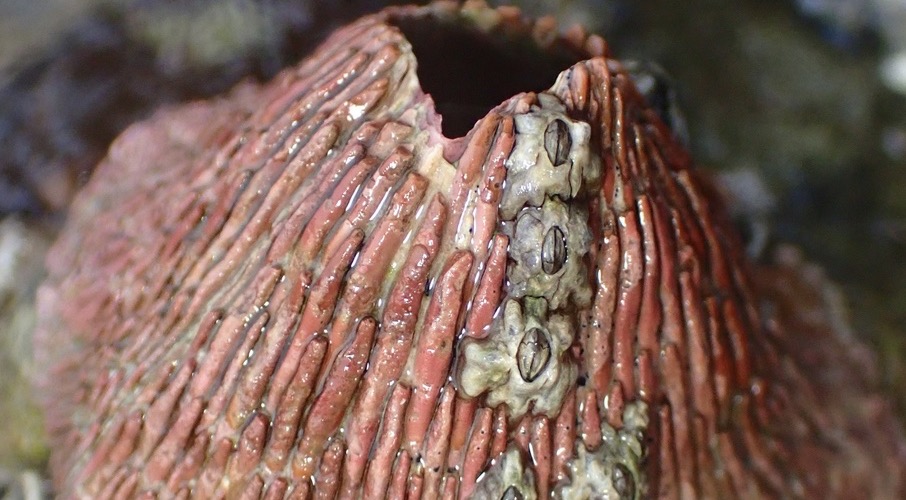
When to go tidepooling in California
California has the best-documented rocky shore in the world and a tide calendar that rewards knowing about it. Which months, which hours, and what the protected-area rules mean.
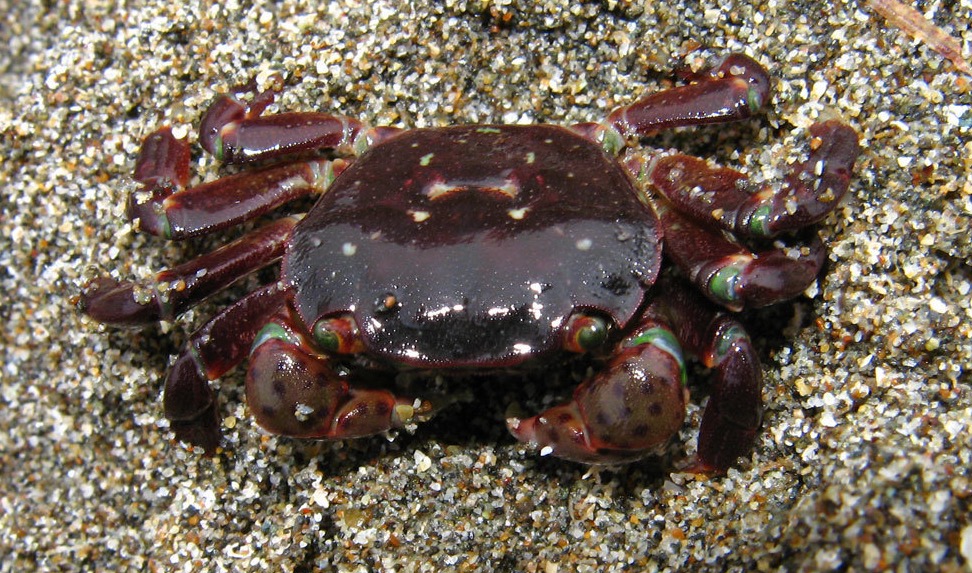
When to go tidepooling in the Pacific Northwest
The northwest coast has the summer morning minus tides, the biggest sea stars, and a season that runs opposite to California’s. Oregon, Washington and British Columbia together.
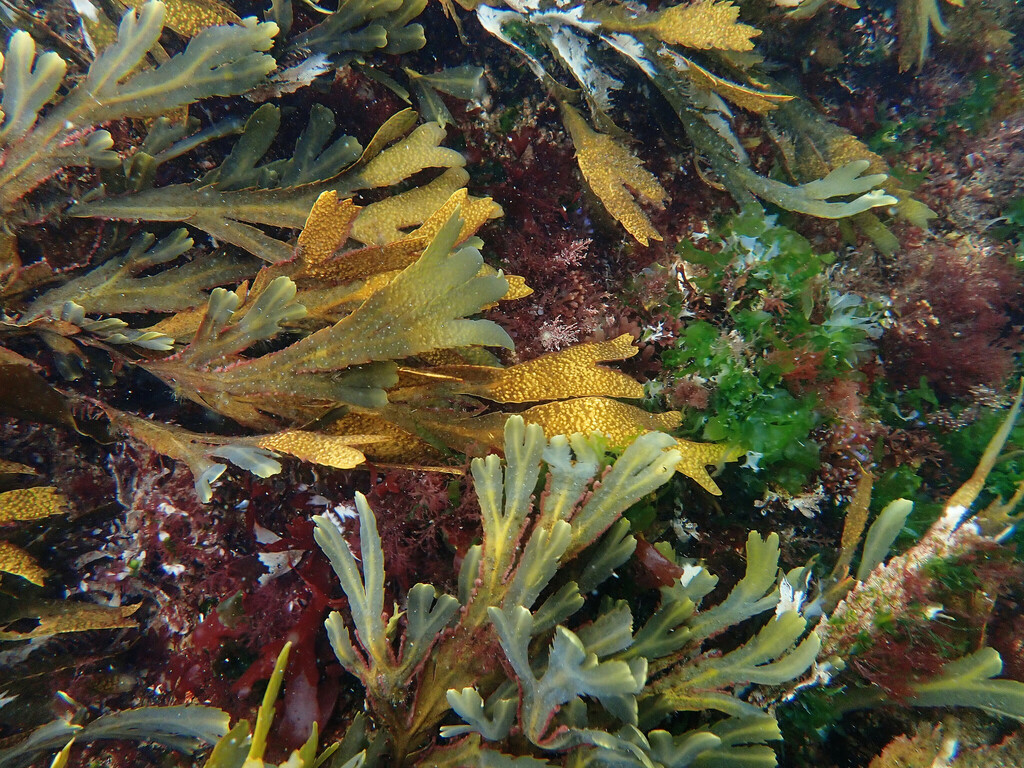
When to go tidepooling in Britain
Why British tide tables have no negative numbers, when the biggest spring tides of the year arrive, and what a British shore holds that a Pacific one does not.
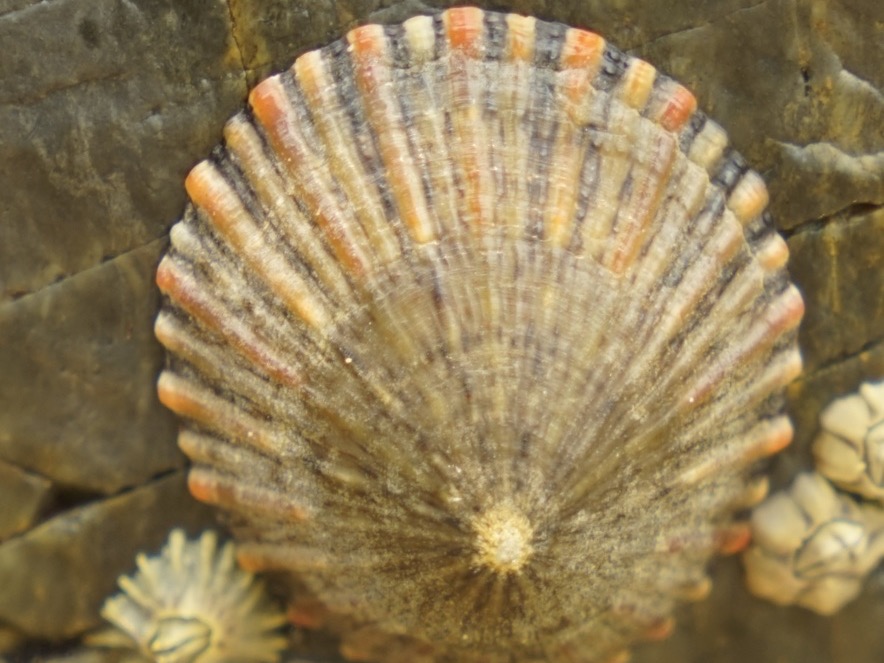
What to watch for tidepooling in Australia
Australia has the richest shore fauna on this site and is the only country with a genuine reason to keep your hands out of the water. The four animals to know, and where the good shores are.
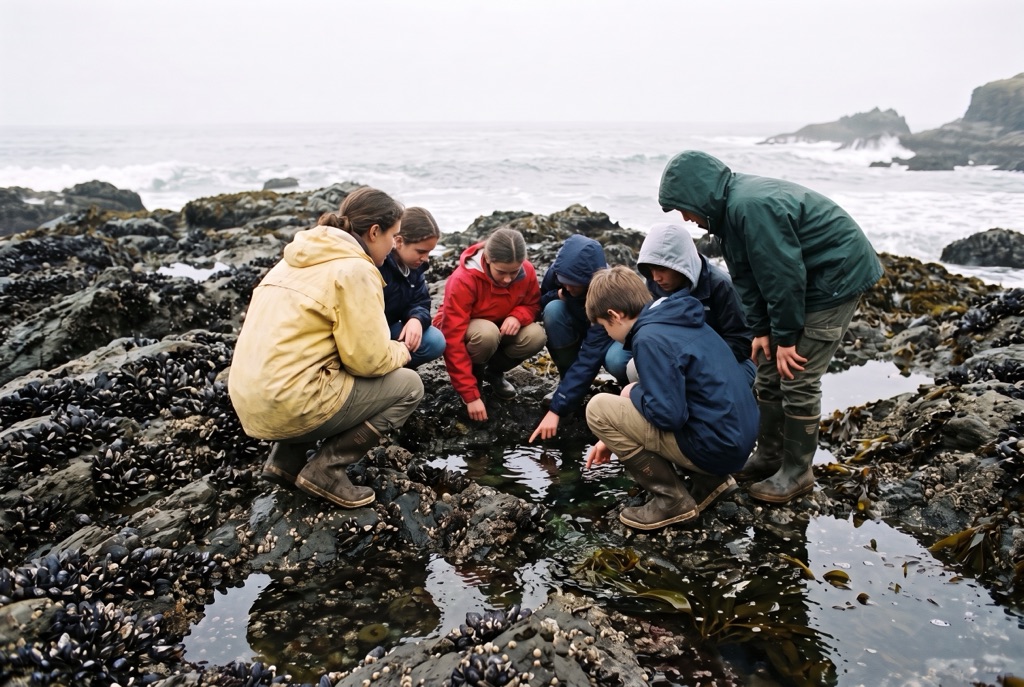
School field trip guide
For teachers and group leaders: picking a date, supervising a class on wet rock, and a checklist to print.